
Pulsacoil Repair Enfield
Losing hot water can disrupt everyday routines, and the cause is not always obvious. A thermal store is a system that stores heat in water so it can be used later for domestic hot water. If your water is cold or unreliable, a specialist can help assess the PulsaCoil unit.
Symptoms can come from different components, so a particular fault cannot be confirmed from symptoms alone. A control issue, a pump problem or a failed heating component may create similar effects. Knowledgeable diagnosis matters because the right repair depends on what the engineer finds, not just what you notice at home.
While you wait, avoid opening the unit or handling electrical parts. Keep a note of when the problem began and whether it changes. Specialist support can help you understand the next step and restore dependable hot water. Local service can explain what help covers and how to arrange it in Enfield.
Pulsacoil Repair Enfield: Local Service and Coverage
An Enfield resident can start by confirming their postcode and PulsaCoil model before arranging a visit. Enfield is in north London, and listed service coverage includes addresses alongside Blackwell Close, Caspian Way and Meadowford Close. A PulsaCoil engineer is also listed in Southgate.
These locations indicate local coverage, not a guarantee that an engineer can attend at a particular time. When enquiring about Gledhill PulsaCoil repair Enfield, ask whether the service covers your exact address and what appointment options are available. The same check applies when searching for PulsaCoil repair London or Gledhill PulsaCoil repair London.
Local services may differ in the models their engineers work on and the work they can undertake. Confirm that the attending engineer has experience with your system, rather than relying on a general heating service description. Ask what information they need to assess the job and whether the initial visit includes diagnosis.
When you contact a service, give the model name or number, describe the problem and mention any error display. Tell them if hot water has stopped completely or is unreliable, and whether the unit has been altered recently. Clear details can help the service understand what to bring or ask before confirming a visit.
Check the appointment terms as well as the address coverage. Ask whether a call-out charge applies, what happens if more work is needed, and how you will receive a quote. This helps you understand the arrangement before an engineer travels to your home.
Once you have found a local service, a concise description of the fault is the most useful starting point. Recognising which symptoms to report can help the engineer assess the next step.
What Symptoms Point to a PulsaCoil Fault?
No hot water can result from a failed immersion heater, a thermostat fault or a controls problem. Those possibilities can produce much the same symptom, so the observation alone does not confirm the cause. Report what has changed and let an engineer assess the system.
Other faults can affect temperature, electrical supply, leaks or water flow. A heat exchanger, including a plate heat exchanger, may be one area to check, but it is not the only possible cause. A valve, sensor, pump or control board may also need assessment.
| Symptom | Possible area to check | Practical response |
|---|---|---|
| No hot water | Immersion heater, thermostat or controls | Report whether the unit has power |
| Fluctuating temperature | Sensor or control components | Describe when the temperature changes |
| Electrics tripping | Wiring or internal electrical component | Stop using the affected circuit if unsafe; arrange qualified assessment |
| Leak or reduced flow | Valve, connection or heat exchanger | Report the leak location or change in flow |
The table shows possible areas for an engineer to investigate, not confirmed diagnoses. A leak near a connection may have a different cause from a leak within the cylinder. The same care applies to changes in temperature or pressure, which can involve more than one part.
When arranging a repair, report the clearest details you can observe:
- No hot water
- Temperature changes
- Tripping or an error display
- A leak or reduced flow
If electrical tripping creates an unsafe situation, stop using the affected circuit and arrange a qualified assessment. Do not open the unit to investigate. Knowing the symptom helps an engineer assess the next step, then you can compare likely costs and repair choices.
Repair Options and What the Price Covers
The cost depends on the charging option and the work required. Listed Pulsacoil repair Enfield prices include a fixed-price repair, a standard-rate repair and a monthly Repair & Care plan, but they are not a promise that every local engineer charges those amounts.
The fixed-price repair is listed as both £399 and £399.99. Its stated terms include a 12-month parts-and-labour warranty, but the two figures differ. Ask for the current payable total and written terms before booking, including what happens if the cylinder cannot be repaired.
| Option | Stated charge | What to check |
|---|---|---|
| Fixed-price repair | £399 or £399.99 as listed | Payable amount; terms if the cylinder is irreparable |
| Standard-rate repair | £229.99 first hour; £57.50 each following 15 minutes; parts and materials at cost plus 20% | Labour time and parts estimate |
| Repair & Care | £64.95 per month | Eligibility, cover scope and contract terms |
With the standard-rate option, the first hour is listed at £229.99 including VAT. Each following 15 minutes is £57.50 including VAT, with parts and materials charged at cost price plus 20%. Ask how labour time is measured and whether the parts estimate could change after diagnosis.
The monthly plan is listed at £64.95. Check eligibility, the repair and maintenance included, and any limits or exclusions in its contract. Do not assume a plan covers every fault or that it suits a one-off repair.
A written quote should state the work, any exclusions, the call-out fee and the warranty terms. Confirm whether parts and labour are both covered, and for how long. If a cylinder proves irreparable, any replacement credit or refund depends on the specific offer terms, so do not assume one applies.
Before agreeing, make sure the total charge and the work covered are clear in writing. Knowing how the engineer diagnoses the fault and presents a quote can help you decide whether to authorise the repair.
What Happens During a Repair Visit?
Before an engineer arrives, note the model details and clear access to the PulsaCoil unit and its controls. A visible route to the equipment can make it easier to inspect, while keeping children and pets away from the work area helps avoid interruptions.
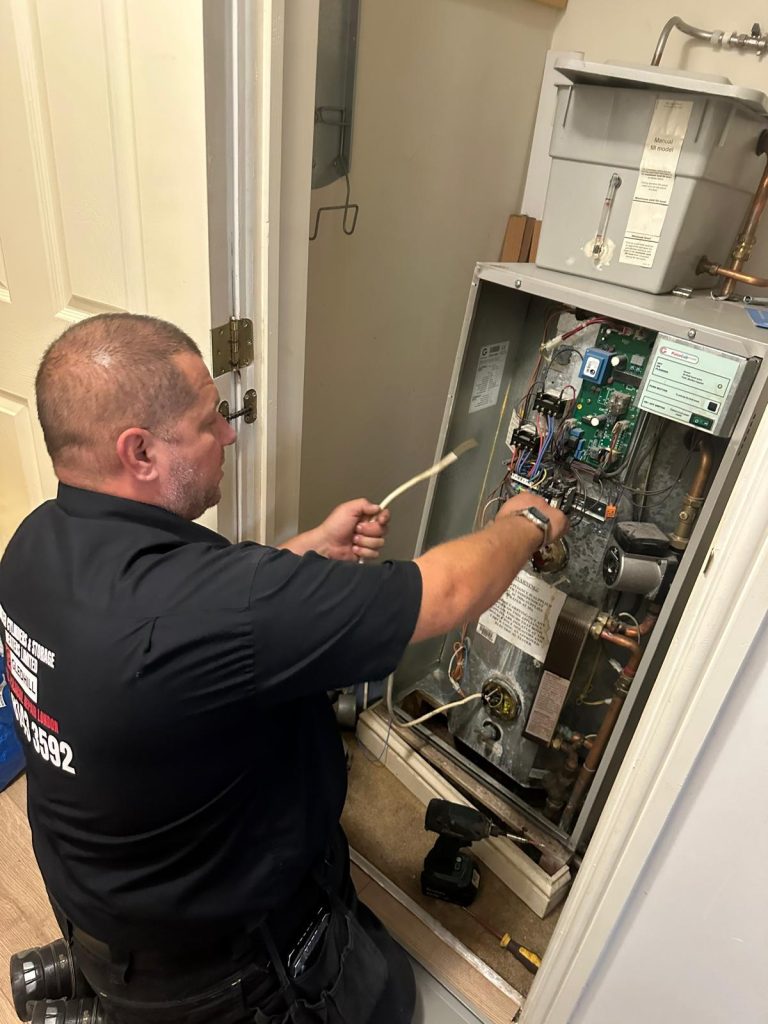
The visit usually begins with a discussion about the hot-water problem, followed by an inspection and diagnosis. The engineer should explain what they have found and set out the proposed work before you authorise it. A first visit does not guarantee that every repair can be completed immediately.
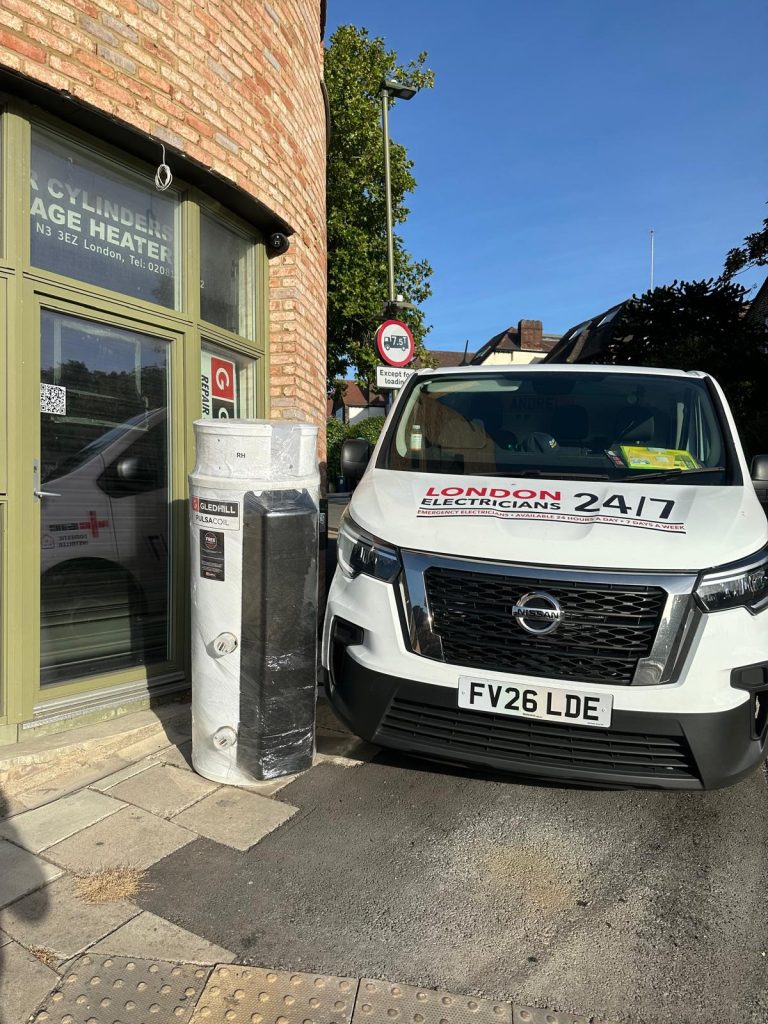
Some faults need spare parts that are not carried on the van, or further checks before a part can be chosen. That can mean a return visit. Do not open electrical components or attempt a repair if you are unsure; an engineer can assess the unit safely.
Prepare for the repair process with these steps:
- Provide the model and symptoms when booking.
- Make the unit and any controls accessible.
- Let the engineer inspect and diagnose the fault.
- Review the diagnosis, quote and warranty terms before authorising work.
- Have the repaired unit tested and ask what work or parts were completed.
Ask the engineer to explain any test that affects the hot-water supply and what to watch for after the visit. Keep the written details of the work and parts, especially if a warranty applies. Clear records can help if the same issue returns or you need future maintenance.
If the engineer finds that the cylinder cannot be repaired, or that needed parts are unavailable, the next choice may be a replacement. The unit’s condition and suitability for your property should guide that decision.
When Is Replacement Better Than Repair?
Replacement is more likely to be appropriate when the cylinder cannot be repaired or suitable parts are unavailable. An irreparable internal cylinder leak may make a new thermal store necessary, while a leaking valve or connection does not automatically mean the cylinder has failed.
Repeated breakdowns, discontinued parts and the engineer’s condition assessment can all affect the decision. Ask whether the fault can be repaired reliably and whether the remaining components appear serviceable. A boiler or another heating source may also form part of the property’s wider setup, so compatibility needs consideration.
If you have a PulsaCoil 2000, the model name alone does not show which replacement will fit. The engineer should check the existing connections, available space and household hot-water needs. Capacity and installation suitability must be considered for both the property and the people using it.
Listed PulsaCoil Stainless capacities are 150 litres, 180 litres and 210 litres. Advance ETS is listed in 160-litre and 210-litre capacities. These sizes are not interchangeable choices for every home; the cylinder capacity must suit demand and the installation.
The listed ordering-to-installation time is 30 working days for PulsaCoil Stainless and 7-10 working days for Advance ETS. These are stated lead times, not a promise of a particular installation date. Ask how the replacement will connect to the existing system and whether any changes are needed.
An expansion tank or other associated equipment may also need inspection as part of the work. Do not assume that replacing the cylinder alone covers every item connected to the thermal store. The engineer’s assessment can clarify the scope and help you compare the written cover offered for repair or replacement.
Once you understand the options, check the attending engineer’s experience and the written warranty before making a decision.
How to Choose an Engineer and Check Their Reviews
Ask the provider which PulsaCoil models the attending engineer works on. Experience with your particular unit can help the engineer assess its layout and parts, rather than treating every thermal store as the same system.
Ask whether the repair will use genuine or otherwise suitable parts, and whether the parts are available for your model. The written quote should set out the work covered, any exclusions and the total charges. Check how the warranty applies to parts and labour, including its duration and conditions.
Reviews can help you understand how a service communicates and handles completed work. Read Pulsacoil repair Enfield reviews and Gledhill PulsaCoil repair London reviews as one check, not proof of technical competence. A detailed account of the model, diagnosis and aftercare is more useful than a rating alone.
Searches for a PulsaCoil engineer near me can surface local options, but confirm that the engineer actually covers your address. Ask who will attend, what relevant experience they have and whether they will explain the proposed repair before starting. Clear answers offer more useful support than broad claims of expertise.
For maintenance, ask what checks the service includes and whether it recommends any follow-up. Do not assume that a general maintenance visit covers every component or prevents future faults. A careful provider should be able to explain the work and its limits in plain language.
Keep a copy of the quote, diagnosis and warranty terms after the visit. This gives you a record of the repairs and cover, which can support future decisions about maintenance. A provider’s service approach and written commitments can help you judge whether you have the information needed for peace of mind.
If you are ready to arrange an assessment, have the model and fault details to hand and ask the provider to confirm the booking terms.
Book a PulsaCoil Assessment in Enfield
If your hot water remains unreliable, contact a specialist to arrange an assessment. Have the model, symptoms and any error code ready so the service can understand the issue before confirming a visit.
Call 0330 229 4190 to discuss a booking. Before authorising work, confirm the written quote, appointment details and warranty terms. Symptoms alone do not confirm the fault, and written terms should be checked carefully. Call to discuss a booking and the support available for your PulsaCoil unit.
FAQ
Can I reset a PulsaCoil myself?
You can check basic user controls if you understand how they work, but do not open the unit or handle electrical components. Follow the instructions supplied for your system and stop if a control is unclear. A reset may not resolve the cause of a fault. If the problem continues or you feel unsure, arrange an assessment with a qualified engineer.
Does a leaking PulsaCoil always need replacing?
No, a leak does not always mean the cylinder needs replacement. Water coming from a valve or connection is different from an irreparable leak in the internal cylinder. The engineer needs to identify where the water is escaping and assess the affected part. If the cylinder itself cannot be repaired, replacement may be necessary, but the leak location matters.
How long does a PulsaCoil repair appointment take?
The appointment time depends on the fault and whether suitable parts are available. An engineer may need to inspect and diagnose the system before estimating the work, and some repairs require a further visit. Do not assume that a repair will be finished during the first appointment. Ask what the visit includes and how the service will update you if more work is needed.
What should I tell an engineer when booking?
Give the engineer the PulsaCoil model, the hot-water symptom and any error display. Mention whether there is a leak or electrical tripping, and say when the issue began if you know. These details help describe the problem without treating it as a confirmed diagnosis. If you are unsure about the model, explain where the unit is and share any visible label information.
Can a PulsaCoil 2000 be replaced with any thermal store?
No, a PulsaCoil 2000 is not automatically compatible with every thermal store. Suitability depends on the property, required capacity, existing connections and installation assessment. The engineer should consider household hot-water demand and available space, then explain which options fit. The old model name alone cannot establish that a replacement will connect or operate correctly.
How can I check whether a PulsaCoil repair review is useful?
Look for details about the model, the diagnosis, work completed and aftercare. Those specifics can show what the reviewer experienced, while a rating alone does not prove technical expertise. Consider whether the review describes communication and the written terms as well as the repair outcome. Compare several detailed accounts, then ask the provider directly about the attending engineer’s experience.