
Pulsacoil Repair Edmonton
A faulty PulsaCoil can be assessed to find the cause of a hot water problem in your Edmonton home. Repair may be possible, depending on the fault and local service availability.
A thermal store is a system that stores heat in water so it can be used later to provide hot water. If your unit stops supplying hot water, makes unusual noises or leaks, seek professional help. A symptom alone cannot confirm what has gone wrong.
For homeowners, tenants and property managers in Edmonton, the next step is to identify the symptom and arrange an assessment. No particular response time or repair outcome can be guaranteed before the cause is known. A qualified heating engineer can assess the unit and explain what work may be suitable.
Notice what has changed and when it happens, but do not open the unit. The signs below can help you decide when to seek help and which safe checks a resident can make.
Signs Your PulsaCoil Needs Attention
If the hot water no longer heats as expected, your PulsaCoil may need attention. Weak heating or no hot water can have several causes, so the symptom alone is not a diagnosis.
Weak performance may relate to an immersion heater or thermostat fault, or a low water level in the feed tank. A visible leak needs prompt investigation because water may be escaping from the unit or connected pipework. Unusual noise can point to a cracked tank or faulty hardware.
| Symptom | Possible indication | Practical next step |
|---|---|---|
| Weak heating or no hot water | Immersion heater, thermostat or low feed-tank water level | Note when the problem occurs and arrange an assessment |
| Visible leak | Possible leak from the unit or connected pipework | Seek prompt professional attention |
| Unusual noise | Possible tank or hardware fault | Describe the sound and when it happens to the engineer |
These table entries are possible indications, not do-it-yourself diagnoses. Do not remove covers or try to test electrical parts. You can note when the water level or performance seems to change, without adjusting the system.
Keep a simple record of what you notice, including whether the problem is constant or intermittent. That information can help an engineer understand the issue. Once you recognise a possible warning sign, the next question is what a qualified heating engineer will check.
What Happens During a Repair Visit
If an engineer arrives to investigate a unit that has stopped supplying hot water, the first step is to understand what has changed. The engineer will ask about the fault, inspect the unit and relevant connections, and test likely causes before proposing work.
A thermal store holds heat in water for later use, helping provide hot water when needed. The repair scope depends on what the assessment finds. The engineer should explain the proposed repair and any parts needed before carrying out the agreed work.
- Describe the fault
- Inspect and test
- Explain the repair and parts needed
- Complete the repair and check operation
When describing the fault, mention when it began and whether anything has changed in the hot water supply. The engineer can then inspect the unit and the relevant connections for signs that help narrow down the cause.
Tests help distinguish between possible faults. Once the likely cause is clearer, the engineer should explain the work and any spare parts required. If you agree to the repair, the engineer can complete it and check the unit’s operation afterwards.
Not every visit leads to a repair on the day. The fault, access and availability of suitable parts can affect what work is possible. The components an engineer checks also depend on the PulsaCoil model installed.
Parts and Faults an Engineer May Check
The parts an engineer checks depend on which PulsaCoil model is installed. Give the engineer the model name, or send a clear photo of the unit’s label if you can take one safely.
The PulsaCoil Stainless electronic water delivery system comprises a PCB board, plate heat exchanger, sensors, pump and flow switch. A fault in one of these parts may affect how the unit delivers water. The engineer can assess which part, if any, needs repair or replacement.
The Advance ETS uses a mechanical blending valve for water delivery, rather than the Stainless electronic arrangement. That difference matters when identifying suitable spare parts. Parts designed for one model should not be assumed to fit another.
A qualified heating engineer may also check other parts connected to the water supply and operation. The correct checks depend on the unit and the fault found. A photo of the label can help identify the model, but it does not replace an inspection where one is needed.
A fault in a component does not automatically mean the entire cylinder needs replacing. In some cases, a repair to the affected part may be suitable. If the cylinder itself is damaged or a repair is not practical, replacement becomes a separate decision.
Knowing which parts differ by model helps explain why the engineer needs accurate unit details. The next step is to weigh a component repair against replacing a unit that cannot be repaired.
Repair or Replacement: How to Decide
If an engineer finds a faulty component that can be serviced, a repair may avoid replacing the cylinder. A leaking or irreparable cylinder, or spare parts that are unavailable, can make replacement worth considering.
Model details can help identify the unit, but they do not determine the right size for a household. PulsaCoil Stainless models come in 150L, 180L and 210L sizes. Advance ETS models are available in 160L and 210L sizes.
| Model | Available sizes | Feed and expansion arrangement | Filling method | Listed warranty |
|---|---|---|---|---|
| PulsaCoil Stainless 150L | 150L | External feed and expansion tank | Manual filling | Five-year sliding-scale cylinder, one-year parts, one-year labour |
| PulsaCoil Stainless 180L | 180L | External feed and expansion tank | Manual filling | Five-year sliding-scale cylinder, one-year parts, one-year labour |
| PulsaCoil Stainless 210L | 210L | External feed and expansion tank | Manual filling | Five-year sliding-scale cylinder, one-year parts, one-year labour |
The Advance ETS has an internal feed and expansion tank and a built-in filling loop. Its listed warranty is 10 years for the cylinder, two years for parts and one year for labour. Warranty cover depends on the terms for the specific unit.
Ask an installer to assess which size and model would suit your home before deciding on an installation. Check the warranty terms for the unit itself, including what is covered and any conditions. A repair recommendation should also explain why replacement is being proposed.
Once you understand the options, check the engineer’s qualifications and the service scope before agreeing to work.
Choosing a Qualified Pulsacoil Engineer in Edmonton
Ask a prospective engineer whether they have worked on your exact PulsaCoil model. Relevant experience helps them assess the unit and identify what the proposed service will cover.
Check that the engineer is fully qualified for the electrical and plumbing work involved. Ask about insurance and request a written scope that describes the work, any spare parts and the terms offered for them.
- Experience with the model
- Relevant qualifications and insurance
- Written scope and charges
- Warranty and return-visit terms
Verify credentials and terms directly rather than treating a general claim as proof. Ask what happens if the first visit identifies work that cannot be completed then. The answer should make clear whether a further visit is included or charged separately.
Before agreeing, confirm whether the provider offers a warranty on labour and parts, and how long it lasts. Ask whether call-out charges apply, including when the engineer diagnoses a fault but does not carry out a repair.
Clear terms make it easier to compare service options and understand what you are authorising. Once you have chosen someone to assess the unit, ask how the quote is calculated and what it includes.
What Affects Pulsacoil Repair Costs
The price depends on the fault, the parts required, labour time, access and the provider’s charging structure. A repair involving a readily available spare part may need different work from a fault that takes longer to diagnose.
Ask whether the quote includes diagnosis, labour, parts, call-out charges, VAT and any return visit. These details help you compare pricing on the same basis, rather than looking only at the total figure.
Request the scope and any exclusions in writing before authorising work. If the engineer expects to fit parts, ask whether the quote covers those parts and what happens if further work becomes necessary.
A quote for a component repair may not cover replacement if the cylinder itself is found to be irreparable. The cost of that separate work should be explained before you decide whether to proceed.
Ask the provider to confirm which work they will carry out for the quoted price. If the diagnosis changes the proposed repair, request an updated scope and price before authorising the additional work.
There is no single repair price that applies to every PulsaCoil fault. A clear breakdown lets you understand the likely cost and the work covered. The details you give when requesting a visit can also help the provider prepare.
Pulsacoil Repair Edmonton: How to Book a Visit
A resident who can give the model name and a concise description of the fault can make a useful booking enquiry. For a repair service in Edmonton, provide your address and contact details so the provider can discuss whether a visit is available.
Tell them when the fault began and whether there is a visible leak or a change in water supply. If it is safe, take photos of the unit and its label. Do not open the unit or attempt electrical repairs to gather information.
- Model and label photo
- Symptoms and when they started
- Any leak or change in water supply
- Access and availability for a visit
Include the best way to contact you and any access details that could affect a visit. If you do not know the model, say so rather than guessing. The provider may be able to advise what information would help identify it.
Ask what the visit covers and whether further work, spare parts or another appointment would be agreed separately. A repair book enquiry should not be taken as confirmation of local coverage, parts stock or a particular appointment time.
Share the relevant details, request an assessment and confirm the visit terms before booking. This gives you a clear basis for deciding whether to go ahead with the appointment.
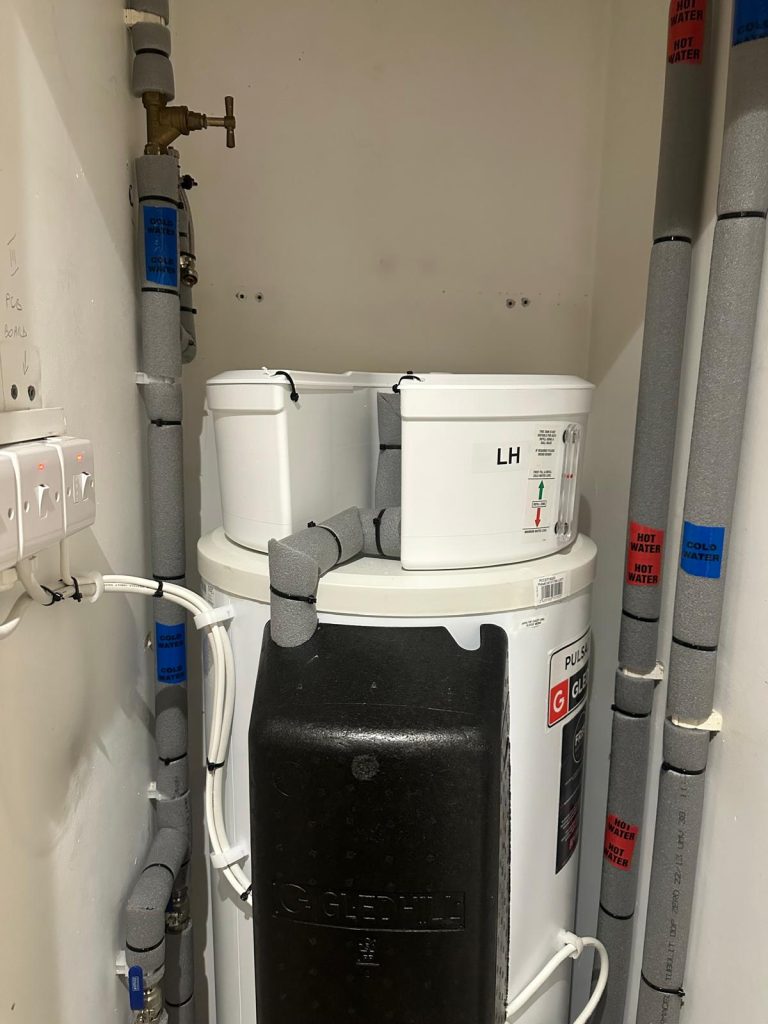
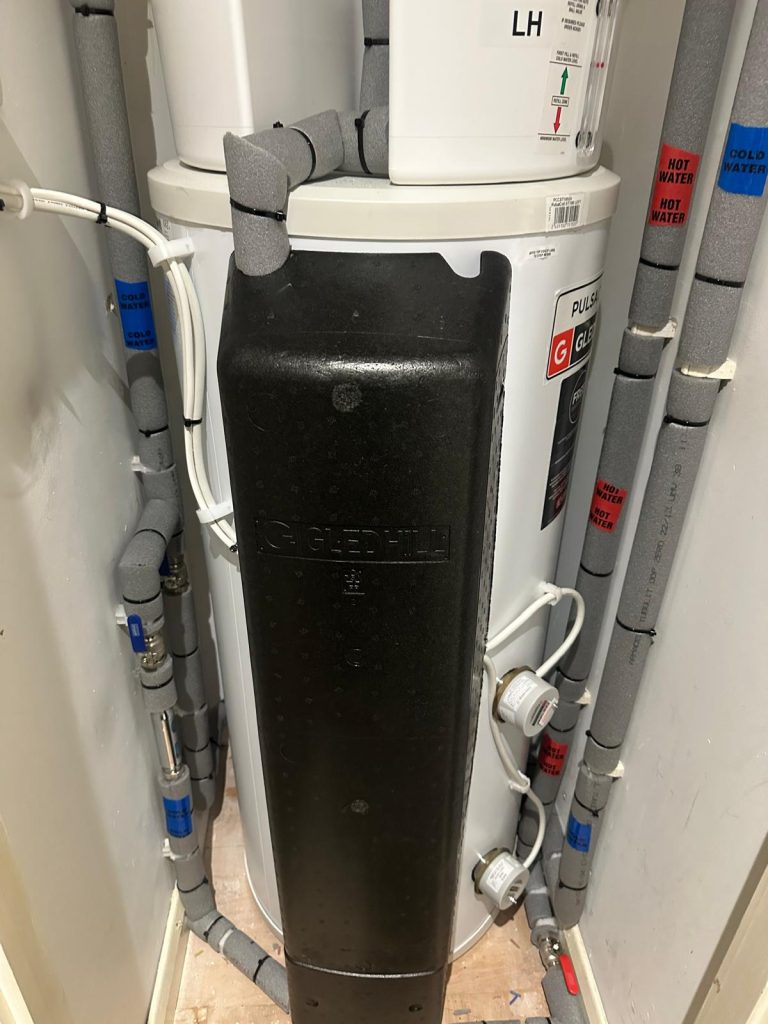
Get Your Hot Water Working Again
An assessment can establish whether a repair is suitable for your PulsaCoil unit. A symptom alone cannot confirm the fault, while the model name and a clear description can help an engineer prepare.
Contact a suitable local provider, explain what is happening and ask what the proposed service will cover. Confirm the scope and terms before authorising work, especially if the diagnosis changes the recommendation.
For a safe next step, request a repair visit and share the unit model and fault symptoms.
FAQ
Can I reset a PulsaCoil myself?
You can follow the reset instructions only if they appear in your specific model’s user guide. Do not remove covers or attempt electrical work to reset the unit. If the instructions are unclear, or the fault remains after following them, stop and arrange professional help. Keep the model details handy so the engineer can give advice that fits your unit.
Is a leaking PulsaCoil an emergency?
A leak needs prompt attention from a qualified professional, since water may be escaping from the unit or connected pipework. If you know how to isolate the water or power safely, and can do so without approaching water near electrical parts, you may do so. Do not take risks or remove covers. Contact a professional promptly and describe where the leak appears to be coming from.
How often should a PulsaCoil be serviced?
There is no single service interval that suits every PulsaCoil model and household. Follow the manufacturer’s guidance for your specific unit, and ask a qualified heating engineer to recommend an interval based on its condition and use. If the unit develops a fault between planned checks, arrange an assessment rather than waiting for the next service.
Can an old PulsaCoil still be repaired?
Yes, an older PulsaCoil may still be repairable, but age alone cannot confirm that a repair is suitable. The cylinder’s condition, the fault and the availability of suitable spare parts all matter. An engineer can assess whether the affected part can be repaired or whether replacement needs consideration. Ask for the reason behind the recommendation before agreeing to the work.
Are parts interchangeable between PulsaCoil models?
No, do not assume that parts are interchangeable between PulsaCoil models. The Stainless uses an electronic water delivery system, while the Advance ETS uses a mechanical blending valve. The exact model helps an engineer identify the correct parts for assessment and repair. Share the model name or a clear photo of the label, if safe to take.
What should I do if the unit makes a new noise?
Note when the new noise occurs and whether hot water performance has changed, then arrange a professional assessment. Unusual noise may indicate a tank or hardware fault, but sound alone does not identify the cause. Avoid opening the unit to investigate. Tell the engineer whether the noise is constant or intermittent and when you first noticed it.