
Pulsacoil Repair Eastcote
A faulty PulsaCoil unit can interrupt everyday routines at home by leaving you without hot water. For a homeowner in Eastcote, that can affect washing, cooking and the normal start or end of the day.
Pulsacoil repair in Eastcote can help you understand what has gone wrong and what options are available. The right choice depends on the condition of your unit and the fault affecting it. This service page explains what specialist repairs cover, what may happen during an appointment, and when replacement could be worth considering.
You can also find out what to check when comparing repair costs, choosing an engineer and confirming local availability. No single symptom guarantees a particular fix, and you should have the fault assessed before agreeing to work. A system-specific diagnosis is important because these units need focused knowledge of their design and controls.
Pulsacoil Repair Eastcote: What a Specialist Repair Covers
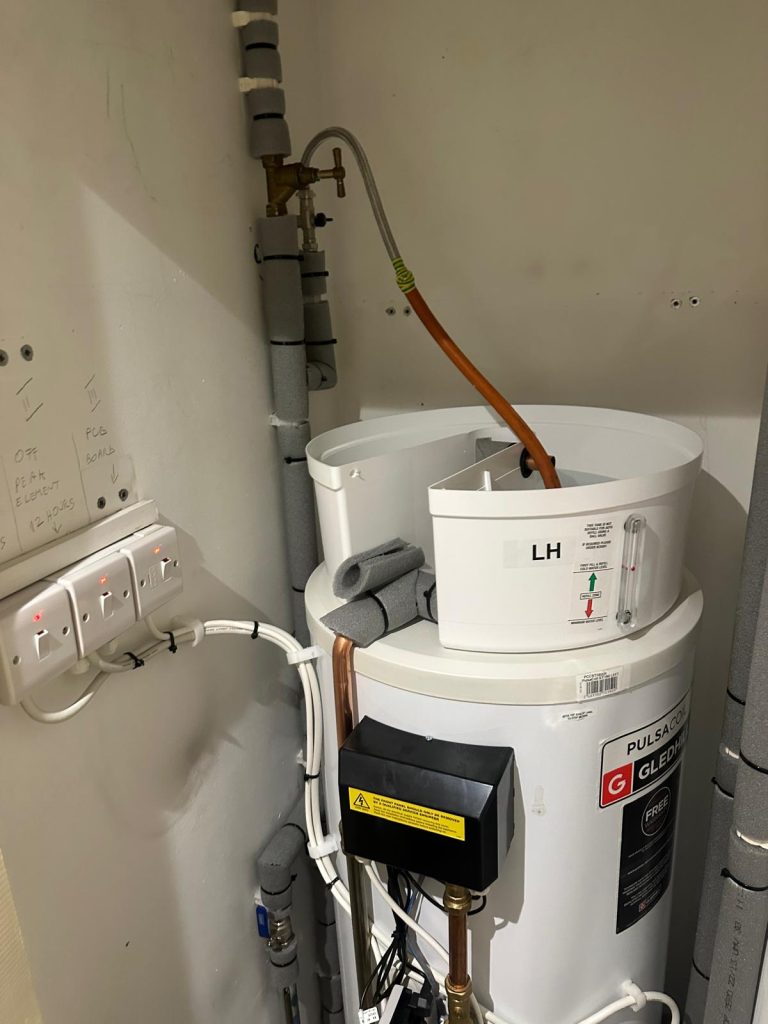
A PulsaCoil unit stores heat electrically and uses that stored energy to supply hot water. A thermal store is a vessel that stores heat so it can be used later to provide hot water.
In this hot water system, immersion heaters warm the stored water, while electronic controls manage how heat is produced and used. The arrangement delivers mains-pressure hot water without a boiler. A PulsaCoil is an electric thermal store, not a conventional boiler or a standard hot water cylinder.
That difference matters when you arrange repair services. A general boiler service may not cover the controls, electrical parts or heat-storage design found in a pulsacoil system. Booking a boiler engineer without first checking their experience with PulsaCoil units can leave you with an unsuitable appointment.
Ask a plumber or heating engineer to describe their hands-on work with this water system, rather than relying on broad heating experience alone. They should be able to identify the unit and explain how they approach diagnosis. Relevant experience is especially useful when the problem involves both electrical components and hot water performance.
The stored heat, immersion heaters and controls work together, so a fault in one area can affect the whole system. Problems may show up as a change in temperature, a warning display or a loss of hot water. Those signs point towards the need for checks, but do not identify the failed part by themselves.
What faults can a PulsaCoil system develop?
You may turn on a tap and find that no hot water comes through. PulsaCoil faults can result from wear, electrical problems or limescale, but a symptom alone cannot confirm which part has failed.
These signs can help you describe the issue when arranging repair. They are starting points for diagnosis, not a reason to replace a component without testing.
| Symptom | Possible cause | Why it needs checking |
|---|---|---|
| No hot water | Failed immersion heater, thermostat or internal control fault | Diagnosis identifies which component is responsible |
| Inconsistent temperature | Sensor problem or reduced system efficiency | Check the controls and performance |
| Electrics trip | Faulty wiring or internal component failure | An engineer should investigate the electrical fault |
| Leak | Valve or connection fault | Prompt attention can help limit water damage |
| Reduced flow or performance | Limescale in the heat exchanger | Scaling can restrict flow |
A leak needs prompt attention, especially if water is close to electrical parts. Do not open the unit or attempt internal electrical repairs yourself. A qualified engineer can assess the risk and decide what checks are safe.
Flashing lights or other error signals also need interpretation, rather than guesswork. Their meaning can differ between models, and a reset does not prove the fault has cleared. The next useful step is a structured inspection, not an assumption about which part has failed.
What happens during a repair visit?
If the display is flashing or the hot water has stopped, describe that clearly when you book a repair. A useful appointment starts with the model and symptoms, then moves from diagnosis to an agreed repair and testing.
You can expect these five stages:
- Share the model and symptoms when booking.
- The engineer inspects and diagnoses the unit.
- The engineer explains the fault and proposed work.
- You receive a clear quote before work proceeds.
- Completed work is tested.
Give the engineer any error signal shown on the display, along with details of when the problem began. This can help them prepare for the appointment and consider which parts may be relevant. It does not replace inspection once they reach your home.
The engineer should explain the diagnosis and proposed repair before starting the work. If the issue is more complex than expected, ask what has changed and whether the quote needs updating. You should know what work is covered before you agree to proceed.
Suitable spare parts and the complexity of the fault can affect whether repairs are completed on the first visit. Some faults need further checks or a part that is not available at the appointment. A first-visit fix should not be promised in every case. If an older unit keeps failing, the diagnosis may also raise the question of replacement.
Should you repair or replace the unit?
If a PulsaCoil unit has broken down repeatedly, another repair may not be the best long-term choice. Replacement can make sense for an older system, but age alone does not show that the whole unit needs changing.
Weigh these four points after the fault has been assessed:
- Whether the fault is isolated or recurring.
- The condition and age of the existing unit.
- The repair work identified after diagnosis.
- The cost and suitability of a replacement for your property.
Repeated breakdowns or an older system may make replacement more cost-effective over time. That depends on what the engineer finds and how the repair compares with a suitable new unit. A single fault does not by itself prove that the whole system needs replacing.
A full replacement involves more than removing the old cylinder. The work includes safe removal, fitting a new PulsaCoil system, and any necessary plumbing and electrical work. The new installation should then be tested and commissioned so its operation can be checked.
Consider how well a proposed unit suits your property, including the available space and the hot water needs of your household. Ask for the options and their costs in writing so you can compare like with like. If you already have a repair quote, check its price basis and workmanship cover before agreeing to the work.
What will a PulsaCoil repair cost?
PulsaCoil Group lists its fixed-price repair at £399 including VAT. Its standard-rate repair is £229.99 per hour from November 2025.
Those figures apply to PulsaCoil Group’s stated options, not every repair provider. The charging basis and included cover differ between routes.
| Repair route | Charging basis | Stated terms |
|---|---|---|
| Fixed-price repair | £399 including VAT | PulsaCoil Group states the price does not change with time on site or parts required; 12-month workmanship guarantee and no call-out fee |
| Standard-rate repair | £229.99 per hour | One-off hourly service |
| Monthly repair and care package | One monthly fee | Covers ongoing repair visits; check the package terms before signing up |
The fixed-price option is stated to cover the repair regardless of time on site or parts required. PulsaCoil Group also states that it includes a 12-month workmanship guarantee and no call-out fee. Read the terms to understand what the guarantee covers.
The standard rate is charged by the hour, so ask how the provider counts time and whether other charges apply. A monthly repair and care package may suit someone seeking ongoing cover, but its limits and conditions matter. Check what counts as a covered repair before signing up.
Replacement costs depend on the work required and the unit selected. Obtain a written quote for replacement, just as you would for repairs, so you can compare the full costs. Before choosing a route, compare what the quote includes, its workmanship cover and any conditions.
How to choose a qualified PulsaCoil engineer
A general boiler engineer may focus on conventional boilers, while a PulsaCoil engineer should be able to discuss your specific model. Relevant experience and system knowledge matter when you need safe, accurate repair services.
Ask these questions before booking:
- Does the engineer work on PulsaCoil systems, rather than only conventional boilers?
- Can they support your model?
- Will they explain the diagnosis and provide a quote before work?
- What workmanship cover applies?
There is a range of models, including the PulsaCoil 2000, PulsaCoil A Class, PulsaCoil BP, PulsaCoil Eco and PulsaCoil 3. Give the engineer the model name if you can read it from the unit or its paperwork. Ask directly whether they have worked on that version.
An expert should be able to explain the proposed checks in plain language and say what they know before work begins. Ask about their experience with your type of system, not only how long they have worked in heating. Confirm whether the quote includes parts and what happens if more work is needed.
Routine maintenance can help identify developing issues before they cause a breakdown. The right timing depends on the system and its condition, so there is no need to assume a fixed servicing interval. Never attempt electrical work or internal thermal repairs without the appropriate expertise.
Once you are satisfied with an engineer’s knowledge and approach, confirm whether service is available at your Eastcote address. Local coverage does not guarantee a particular appointment, so check availability for your property.
Is Eastcote within the service area?
Eastcote is in the London Borough of Hillingdon, and PulsaCoil Group describes its repair coverage as Greater London, subject to availability. You still need to confirm that an appointment is available for your Eastcote address.
Coverage across Greater London does not mean every address can be booked on every day. Availability can depend on the provider’s schedule and your location. Ask about possible appointment timing when you make contact, without assuming a same-day visit or fixed arrival time.
Tell the provider whether your home is a flat, apartment or house. That detail can help them understand access arrangements and where the unit is located. A particular building type does not guarantee that a booking can be made.
Give the full address and postcode so the provider can check the specific property. Mention any entry requirements, such as a concierge or restricted access, when discussing an appointment. Clear details can help avoid delays when arranging a visit.
Before you book, confirm that the service covers your address and ask what appointment options are available. Have the unit model, a brief description of the problem and any access details ready. These details help the provider assess the booking request and plan for your home.
Book PulsaCoil repair in Eastcote
Contact a specialist if your unit is failing to provide reliable hot water. To arrange Pulsacoil Repair Eastcote, have the model, symptoms and any displayed error signal ready when you get in touch.
FAQ
How long does a PulsaCoil repair appointment usually take?
Many PulsaCoil repair appointments take about 1-3 hours. A straightforward repair may be quicker, while a complex fault can take longer because the engineer needs to carry out more checks. The time can also change if the required part is not available during the visit. Ask the engineer for an estimate once they have assessed the problem.
What information should I have ready when I book a repair?
Have the unit’s model, the symptoms, any display error and whether it is producing hot water ready. If you know when the problem began or whether it happens repeatedly, share that too. A brief, accurate description helps the provider understand the booking request. You can also note any access arrangements that the engineer should know about.
Can I reset a PulsaCoil unit if its display is flashing?
A flashing signal can have different causes, so check the instructions for your specific model before attempting a reset. A reset does not identify or repair the underlying fault, even if the display changes afterwards. Do not open the unit or attempt electrical repairs. If the warning continues or you are unsure what it means, arrange an engineer’s assessment.
Is it safe to use a PulsaCoil unit that is leaking?
A leaking unit needs prompt attention, particularly if water is near electrical components. Do not touch wet electrical parts or open the unit to look for the cause. If you can safely stop using the system, do so, and keep people away from the affected area. Arrange professional help to assess the leak and any risk to the electrics.
Does a PulsaCoil system need a conventional boiler?
No, a PulsaCoil system uses electric thermal storage and immersion heaters to supply hot water without a conventional boiler. The unit stores heat and uses it when hot water is needed. Electronic controls manage how the system operates. Because this setup differs from boiler-based heating, tell the engineer you have a PulsaCoil when arranging repair.
Can every PulsaCoil fault be fixed on the first visit?
No, a first-visit repair depends on the diagnosis, the fault’s complexity and whether the required part is available. Some problems need more detailed checks or a part that the engineer does not have with them. Ask what the next step will be if the repair cannot be completed during the appointment, including whether another visit is needed.