
Pulsacoil Repair Forest Hill
A qualified engineer can diagnose many PulsaCoil faults in Forest Hill. Attendance and the right part must be confirmed for your postcode and model. An engineer can then advise whether repair is practical after assessing the appliance and its fault.
Losing hot water at home can disrupt washing, cooking and the usual routine. A PulsaCoil thermal store supplies domestic hot water differently from a conventional hot water cylinder, so the fault needs to be assessed on the actual model.
Attendance, parts and the work required depend on the property postcode, appliance model and fault. A local service enquiry does not confirm that an engineer can attend or that a particular part is available. Have the model details to hand before arranging an assessment.
PulsaCoil Repair Forest Hill: Arrange a Local Visit
Gledhill PulsaCoil repair in Forest Hill starts by confirming the property’s SE23 postcode and the appliance model. The service team also needs a clear description of the problem. This information helps establish whether a suitable engineer may be able to attend.
Forest Hill is in the London Borough of Lewisham and postcode district SE23. Repair coverage and appointment availability must be confirmed for your full postcode, not assumed from the district alone. A local service enquiry is an initial check, not a confirmed appointment.
When you contact a repair service, give the model name from the appliance label and explain what has changed. Mention whether the fault is constant or occasional, and when you first noticed it. These details help the team decide what further information is needed.
Some PulsaCoil repair specialists may work with particular models or carry different spare parts. The model can help identify what the engineer may need, but it does not confirm that a suitable part is in stock. Ask whether the proposed visit is for diagnosis, repair, or both.
Use the service team’s response to distinguish a possible visit from an agreed slot. Check the date and time offered, and make sure the property address and postcode are correct. If you need to change the appointment, contact the team using its current details.
Before booking a repair, ask what information the engineer needs and whether access to the appliance will be required. Keep any model paperwork nearby, but do not remove covers to find a label. Confirm the postcode and model before accepting an appointment time.
Common PulsaCoil Faults and Safe Checks
A PulsaCoil that stops supplying hot water can have a different fault from one that runs too hot or makes an unusual noise. Describe exactly what you notice, rather than guessing which part has failed. Symptoms alone do not identify the faulty component.
Report any of these signs when arranging technical support:
- No hot water.
- Water that is not hot enough.
- Water that is too hot.
- Visible leakage.
- A booster that does not work.
- Unusual noise.
Also mention low pressure or a failure to heat overnight, even if the appliance works at other times. Say whether the problem affects every hot tap or only one. Such details help separate an appliance fault from an issue elsewhere in the home.
People may use the term electric boiler repairs for different types of heating equipment, so identify the appliance as a PulsaCoil boiler. A boiler repair engineer needs the model and the reported behaviour before deciding which checks are relevant. Do not treat a warning light or a sound as a diagnosis.
You can note any display messages and check whether the appliance appears to have power, without opening it or touching internal parts. Avoid changing controls if you are unsure what they do. If water is leaking or the system shows an electrical fault, stop using it and request professional advice rather than opening the appliance.
How a PulsaCoil Thermal Store Makes Hot Water
A PulsaCoil thermal store heats domestic hot water as mains water passes through a plate heat exchanger. A plate heat exchanger is a component that transfers heat from the stored water to incoming mains water without mixing the two water flows.
The stored water heats the incoming supply as it moves through the exchanger. This means domestic water is heated as needed, rather than stored in the appliance itself. Thermal-store hot water is delivered at mains pressure.
A Pump Speed Control (PSC) board can adjust the circulating pump, which moves stored water through the heating circuit. A blending valve can regulate the temperature of water leaving the appliance. These controls affect how heat reaches the domestic supply.
| Component | Role in hot-water delivery | What an engineer checks |
|---|---|---|
| Plate heat exchanger | Transfers heat to mains water | Condition and operation |
| Pump Speed Control board | Controls the circulating pump | Control and pump response |
| Blending valve | Regulates outlet temperature | Operation and adjustment |
A thermal store differs from a conventional hot water cylinder because domestic water passes through the heat exchanger instead of being held in a separate cylinder. Instead, conventional hot water is available through a heat-transfer process as the mains supply flows through the appliance.
The term plate heat exchanger describes the domestic water heat-transfer component, while plate heat can also refer more generally to the way heat moves between the two water flows. A PulsaCoil thermal store relies on several components working together. A fault in the water temperature can involve the heat exchanger or the component controlling the flow through it.
Repair or Replace an Ageing PulsaCoil?
The practical choice is to compare the diagnosed fault and the unit’s condition with the parts and work needed to put it right. Age alone does not show whether an older appliance can be repaired, or whether replacement is necessary.
PulsaCoil model families include the PulsaCoil 3, PulsaCoil 2000, A Class and BP. You may see the model written as “2000 PulsaCoil” in service notes. A PulsaCoil PCR or stainless PulsaCoil may need different parts, so the exact label matters.
| Decision factor | Repair is more plausible when | Replacement is more plausible when |
|---|---|---|
| Fault scope | The fault is limited and repairable | Several major parts are affected |
| Overall condition | The store is otherwise sound | There is wider deterioration |
| Parts availability | Suitable parts can be obtained | Required parts are unavailable |
| Anticipated future repair needs | Further work seems unlikely | More significant work is expected |
The decision depends on the appliance’s condition, the fault, suitable parts and the likely repair cost compared with replacement. A repair can be practical when the fault is clear and the needed work is limited. A wider fault or poor overall condition may change that assessment.
Gledhill Water Storage Limited entered administration on 17 October 2008. A winding-up order was issued on 19 October 2009, and the company was later renamed GWSL Limited. GWSL Limited was dissolved on 2 August 2013.
PulsaCoil thermal stores manufactured by Gledhill Water Storage Limited are no longer covered by that company’s manufacturer’s warranty. This does not decide whether a repair is possible, but it means you should not assume that the manufacturer’s warranty will pay for the work. Ask for the repair and replacement options to be explained before agreeing to work.
What a PulsaCoil Repair Visit Should Include
A useful repair visit begins by checking the exact model and reproducing or inspecting the fault you reported. The engineer should inspect the relevant controls and components, then explain the diagnosis in plain language. You should be told what work is proposed and which parts may be needed.
Model identification matters because a PulsaCoil Class model, a PulsaCoil PCR, a PulsaCoil 2000 and a PulsaCoil Stainless may have different parts or servicing guidance. Do not rely on the appearance of the casing alone. An accurate model name helps the engineer check the correct instructions.
A visit may include testing the appliance’s controls and checking how the system responds. The engineer should explain any limits to the diagnosis, such as a fault that does not occur during the visit. Ask which checks have been completed and what remains uncertain.
The PulsaCoil Stainless manual includes an annual service section. Check the servicing guidance for your exact model, as instructions may differ across the range. A stainless PulsaCoil should not be treated as having identical service needs to every other version.
Installation, maintenance and repairs should be carried out by a suitably competent tradesperson. Relevant fixed building services are subject to Building Regulations, so internal and electrical work is not a safe do-it-yourself task. Do not open the appliance to inspect wiring or internal parts.
The engineer should set out the proposed work and any spare parts required before starting. If an unusual part is needed, ask how its availability affects the repair plan. Before work starts, make sure you understand the diagnosis and what the proposed repair covers.
Booking, Quotes and Forest Hill Availability
A useful enquiry gives the service team the model, postcode and a concise description of the fault. A repair quotation can depend on the diagnosed fault, required parts and access to the appliance. Appointment timing depends on postcode, current demand and suitable parts availability.
To ask about a PulsaCoil repair in Forest Hill, use the contact details displayed on London Electricians 247’s current website. Confirm the contact number and postcode coverage with the team before booking. A contact detail shown online does not itself confirm a visit or an appointment time.
Have these details ready when you make an enquiry:
- The model name or a clear photo of its label.
- The symptoms and when they began.
- Your full postcode.
- Access or parking details.
The model helps the service team consider which spare parts may suit the appliance. Availability depends on the model and parts supply, so a quote may change if the fault requires different work. Ask whether the quotation covers diagnosis, labour and any parts identified.
If you need repairs leading experts or boiler repairs leading specialists, focus on whether the proposed engineer has experience with your model and can explain the work. You can ask whether the engineer is fully qualified and suitably competent for the task. An electrical group may handle different equipment, so make clear that yours is a PulsaCoil thermal store.
Use the details above to request an assessment, not to assume a repair is booked. The service team can explain possible appointment options once it has your postcode and current demand information. Keep the model label and a brief fault history ready when you make contact.

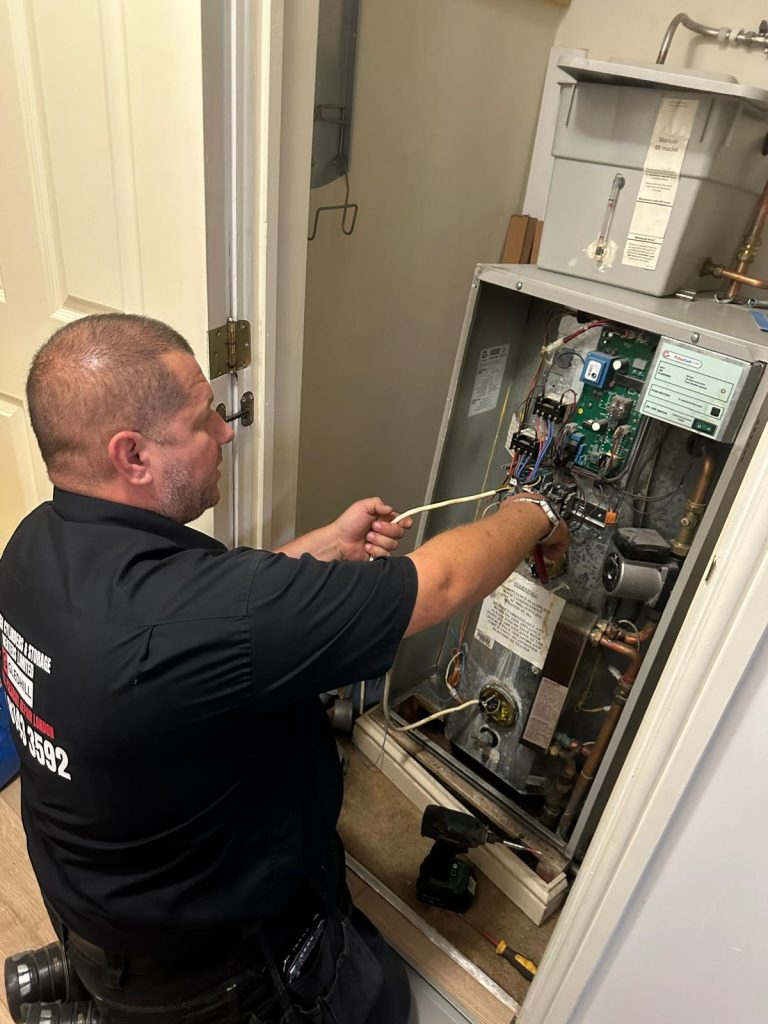
Get Your Forest Hill Hot Water Working Again
The quickest useful next step is to gather the model details and describe exactly what the system is doing. A clear fault description helps an engineer assess what should happen next, without relying on a guess about the cause.
Before committing, confirm that your postcode is covered and that an appointment is available. Ask what work is proposed and whether the assessment or repair includes any parts. Those details give you a clear basis for deciding whether to proceed.
Contact London Electricians 247 through its current website details to ask about an assessment for your Forest Hill property.
FAQ
How quickly can an engineer attend in Forest Hill?
There is no confirmed attendance time until the postcode and an appointment slot have been checked. Availability depends on your postcode, the current workload and suitable appointment slots. Parts availability can also affect when repair work can take place. Ask the service team what options are available for your address, and distinguish an initial enquiry from a confirmed booking.
Can a PulsaCoil with no hot water be repaired without replacing the whole unit?
Yes, some no-hot-water faults may be limited to a component, so the whole unit does not always need replacing. An engineer must assess the model, its overall condition and whether suitable parts are available. The symptom alone cannot show whether a repair is practical. Ask for the diagnosis and the proposed repair to be explained before you agree to work.
Why does my PulsaCoil water go cold quickly?
A PulsaCoil that goes cold quickly may need assessment of its heat exchanger, pump control or blending valve. The symptom does not confirm which part has failed, and more than one part may need checking. Tell the engineer how soon the water cools and whether the problem affects every hot tap. That detail can help guide the assessment.
How often should a PulsaCoil be serviced?
Check the servicing guidance for the exact PulsaCoil model; the PulsaCoil Stainless manual includes an annual service section. Models can differ, so do not assume that the same instructions apply across the range. A suitably competent tradesperson should carry out servicing and maintenance. Keep the model label available when checking which manual and guidance apply to your appliance.
Can I repair a PulsaCoil myself?
No, leave internal and electrical repairs to a suitably competent tradesperson, and do not open the appliance to investigate a fault. Fixed building services are subject to relevant Building Regulations. You can record visible symptoms or display messages without removing covers. Give those details to the engineer so they can plan suitable checks for the particular model.
What information should I have ready when booking?
Have the model, full postcode, fault symptoms and access details ready when booking. A clear photo of the model label can help identify the appliance, provided you can take it without opening the casing. Note when the fault began and whether it happens every time. The service team can then check coverage and discuss an appropriate appointment option.